

Gap and American Eagle, two household names in American culture, launched themselves into major cultural discourse this summer. While Gap’s KATSEYE campaign was not a planned response to AE's collab with Sweeney, the timing and parallels sparked passionate comparisons.


American Eagle said, “Look at Sydney.”
Gap said, “Look for yourself”.
Star Power As Strategy
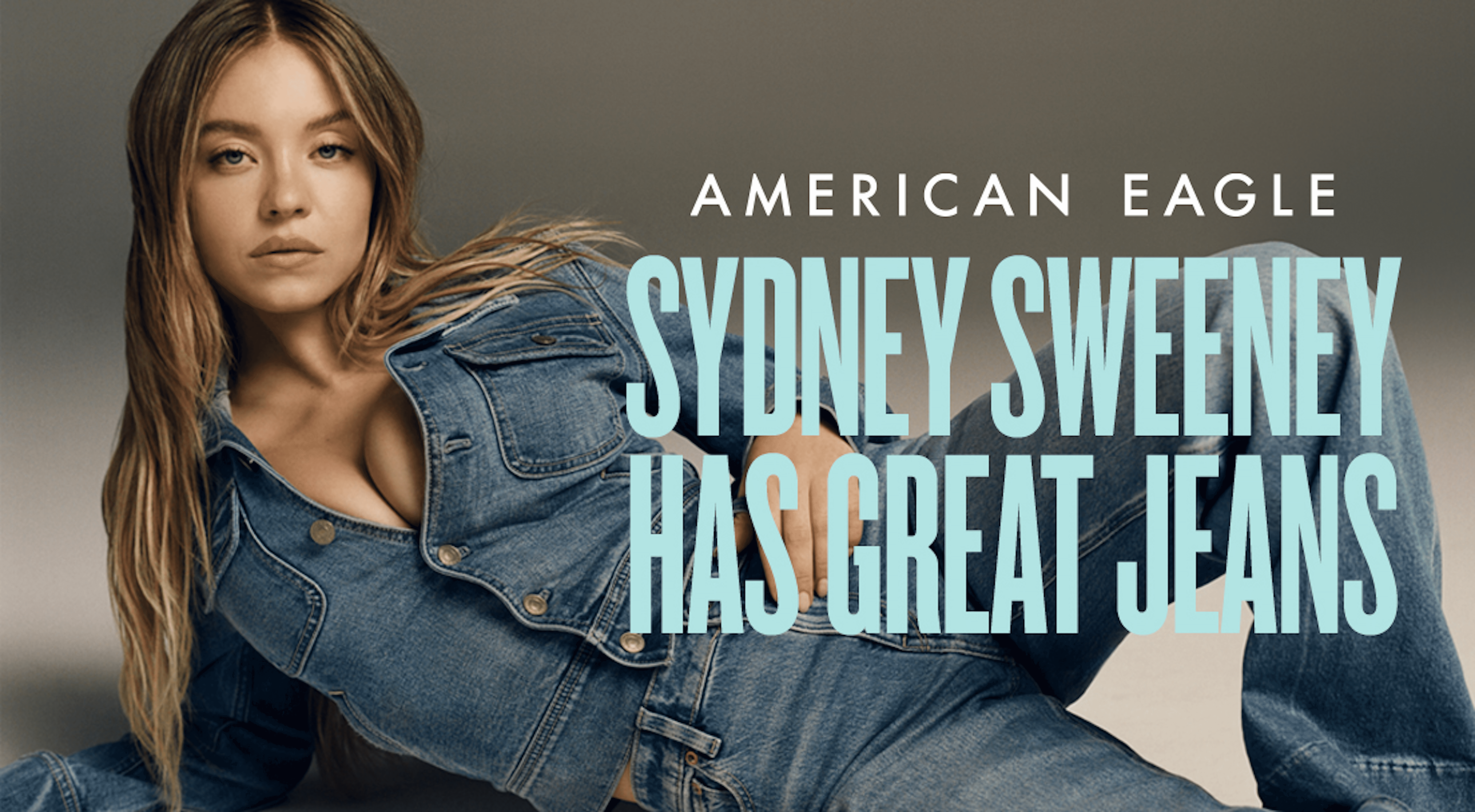
American Eagle: The campaign unapologetically leaned into Sweeney's desirability, with shots designed for the male gaze: slow pans across her body, heightened sounds of denim brushing against skin, and a lingering intimacy that positioned Sweeney—not the consumer—at the center of the story. As a result, the ad courted an audience that had no use for the product offering.
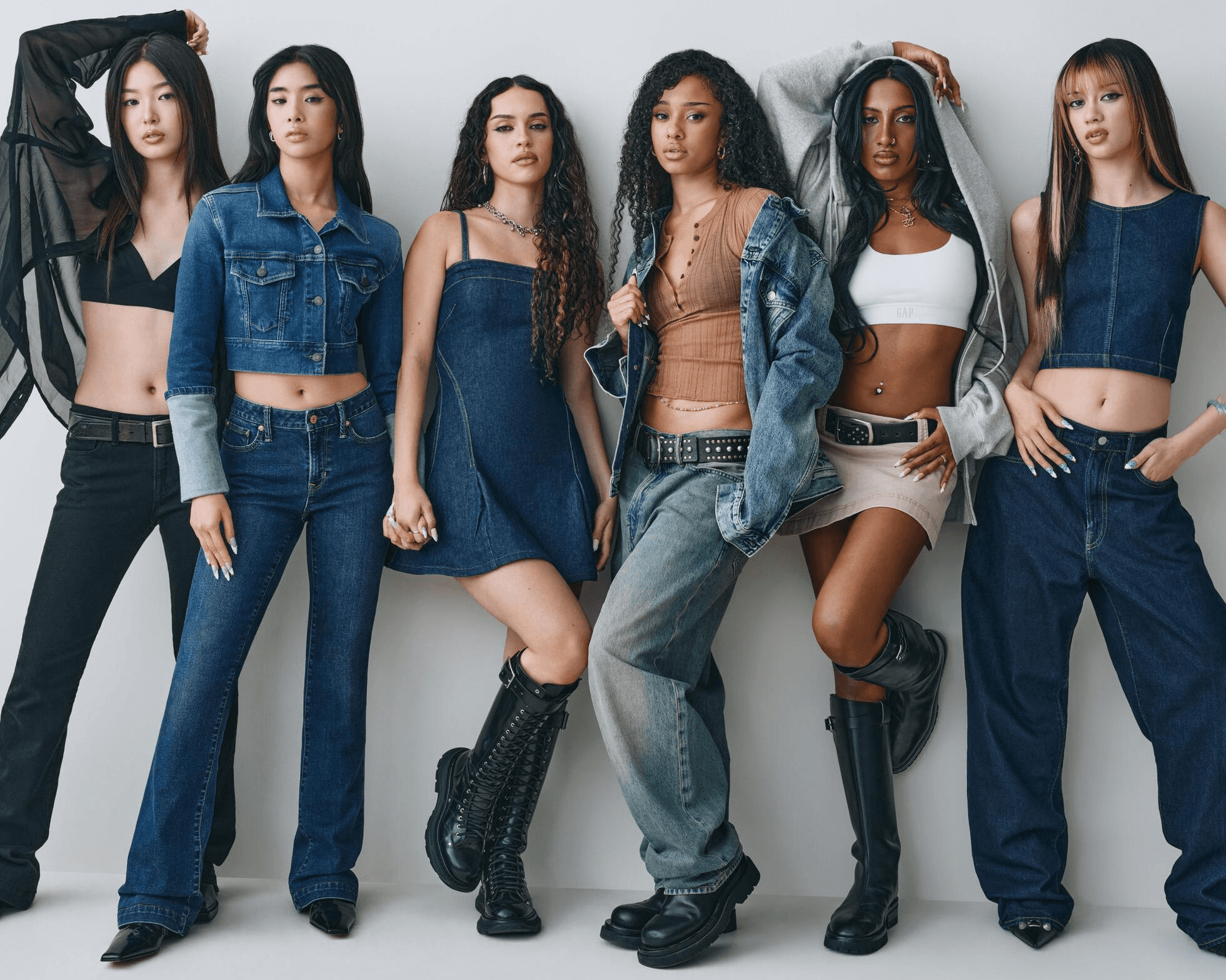
Gap: On the other hand, Gap leveraged KATSEYE as a vehicle for energy, dance, and celebration. The creative suggested that anyone could feel like a main character in denim, democratizing the star power rather than isolating it. Gap juxtaposed AE’s ‘blonde hair, blue eyes’ archetype with KATSEYE's global, multicultural energy, showcasing to the world that they’re attuned to the broader cultural demand for representation. In doing so, Gap invited young consumers to see themselves reflected in the brand.
Centering the
Consumer in the Story
American Eagle: The campaign line, “Sydney Sweeney has great jeans,” celebrated Sweeney’s allure but offered little to the consumer. It implied that if you want to look like Sydney, buy AE jeans. The idea can be aspirational, but the execution felt mostly exclusionary.
Gap: Gap’s now-iconic dance number flipped the script. Star power, music and movement united as to creatively market the jeans. Because celebrity wasn't the destination, Gap's message showed how the consumer can feel better in denim. The subtle but profound shift in celebrating the consumer instead of idolizing the celebrity helped Gap win the cultural moment. This is consumer-centric marketing.
Denim as the Hero—Or Not
American Eagle: AE’s campaign fell short of integrating the product meaningfully. The jeans functioned more like props for Sweeney than the star of the story. Creative, messaging, and copy all circled around her allure without tying back to why the denim itself mattered. Viewers were left admiring Sweeney, not the product or brand.
Gap: Movement, choreography, and ensemble styling emphasized denim as versatile, comfortable, and fashionable—clothes you can live, dance, and feel confident in. The product wasn’t just worn; it was demonstrated. By aligning creative with product truth, Gap turned jeans into both the medium and the message.
Making the Campaign Work
Where the Audience is
American Eagle: The slow and sultry nature of the creative felt built for TV or CTV—bigger screens, passive viewing, a top-funnel play. But AE doesn’t need more awareness; they’re already a household name. What they needed was renewed cultural relevance and consumer engagement—goals the campaign failed to deliver. Instead of sparking interest in the jeans, the discourse centered almost entirely on Sweeney or the eyebrow-raising nature of the script. And while some argue that “all press is good press,” attention that doesn’t translate to consumer connection or sales is ultimately a missed opportunity.
Gap: Gap’s campaign thrived on social media, particularly TikTok where music, dance, and choreography thrive as cultural accelerants. Bypassing passive viewership, the creative invited engagement—likes, shares, remixes, and conversation. This channel strategy did more than drive visibility; it built community and buzz that moved consumers further down the funnel from awareness to consideration. For a legacy brand seeking to reestablish cultural relevance, Gap chose the right stage and the right medium, turning content into connection.
The AE vs. Gap denim duel underscores two truths in marketing today.


Gap’s campaign worked because it married intention with execution. It knew its audience, chose the right cultural vehicle, and built a campaign that invited participation instead of passive admiration. That’s why Gap walked away with renewed relevance, long-term resonance, and strengthened brand equity—while AE was left with headlines and buzz that did nothing to deepen consumer connection.