BRAND MARKETING • 1 NOV 2025 • 7 MIN
Threading the Yellow Ribbon Through Mission, Brand Story & Product
BY MINDY DANG
La La Land’s “kindness-first” brand world has fueled virality on social media, but gaps in product visibility and brand recall limit its business impact. This analysis maps out the next strategic evolution—bridging mission, narrative, and product to build a brand that converts as powerfully as it inspires.
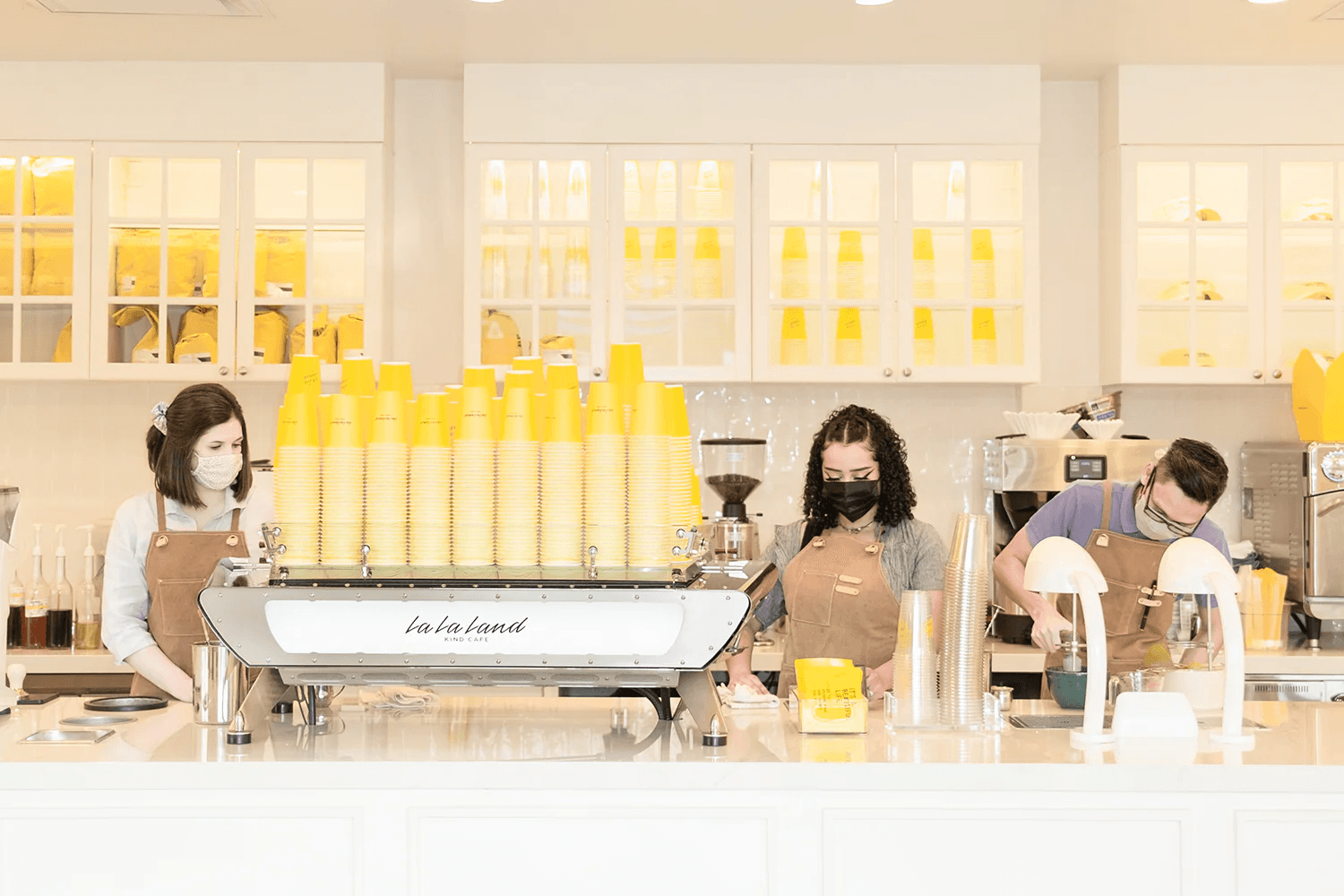
Most brands spend years trying to build what La La Land Kind Café already has: cultural relevance, emotional resonance, and millions of followers. With 22 locations across Texas and California, their kindness-first identity—iconic yellow, bright white interiors, human-centered storytelling—has created a brand world people instantly recognize. On TikTok, their heartfelt videos have earned over 6 million followers and a reputation for feel-good virality.
But here’s the tension that makes La La Land so fascinating from a marketing perspective:
They’ve built extraordinary emotional equity, yet very little of that translates back to product, place, or revenue.
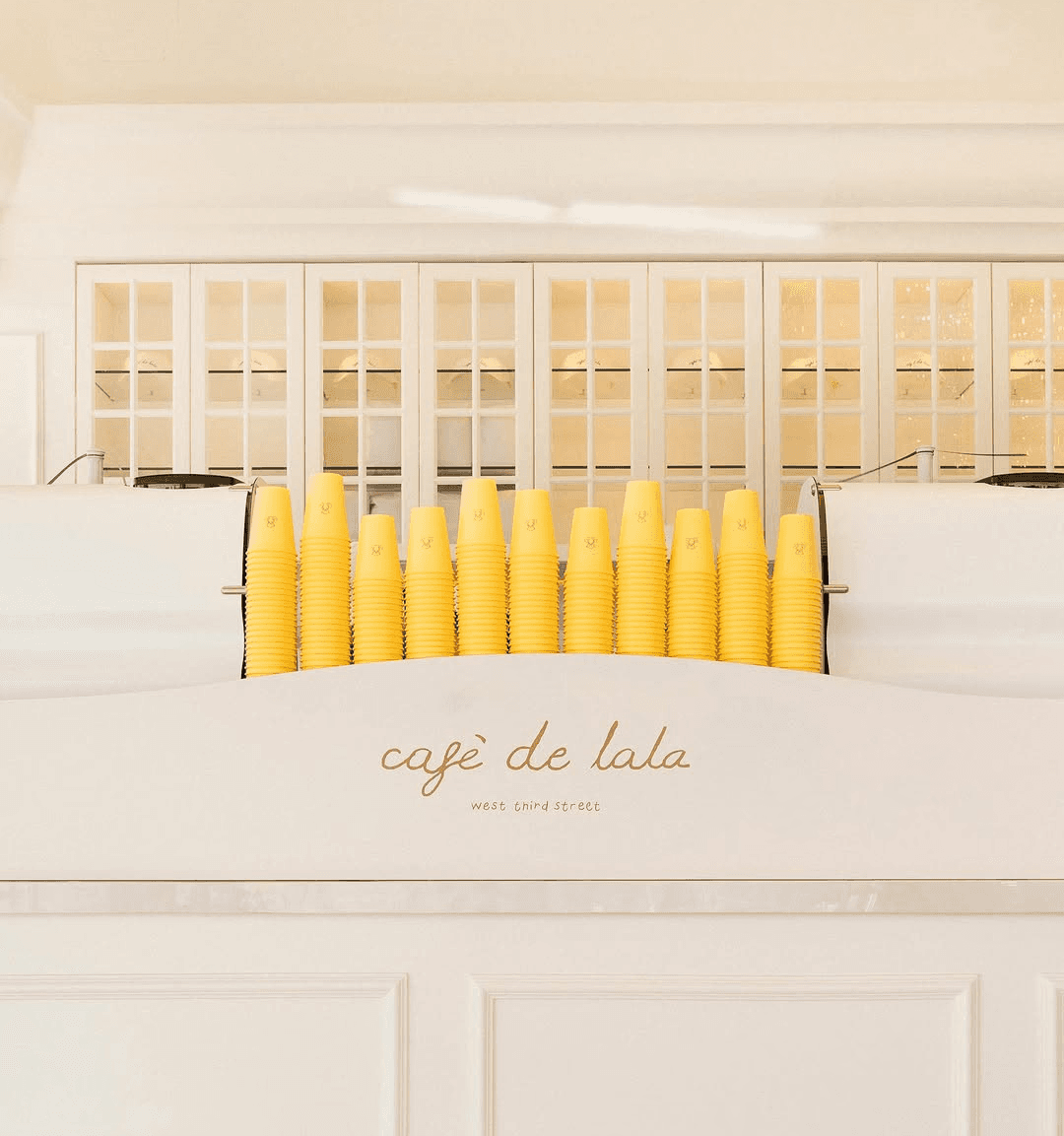
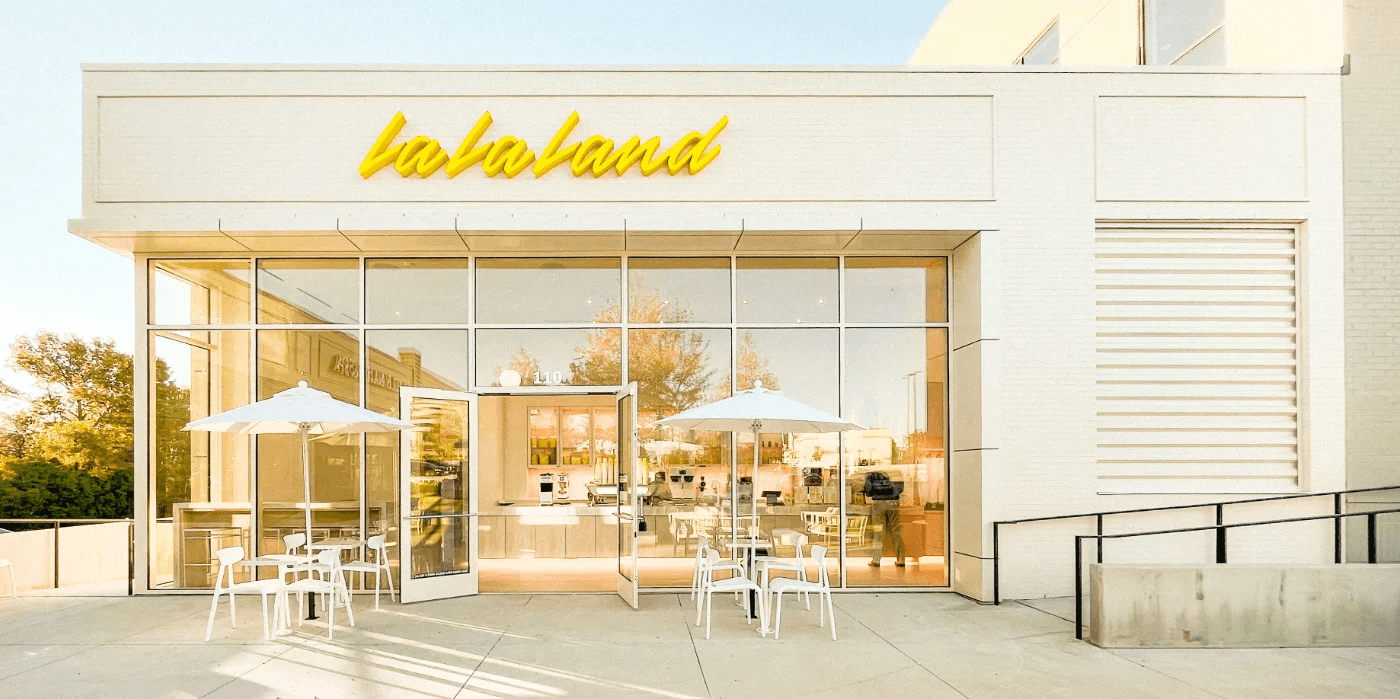
This gap—where strong branding outpaces strategic marketing—shows how cultural momentum doesn’t automatically translate to brand recall, product demand or revenue. This article explores where La La Land’s strategy shines, where it falls short, and what founders and marketers can learn from this yellow coffee shop.
To evolve from a beloved brand to a strategically effective one, La La Land’s social strategy needs to connect the emotional capital back to their product, store experience and brand recall. The goal isn't to pivot away from what’s working, but to give their kindness-driven storytelling the structure it needs to drive business outcomes.
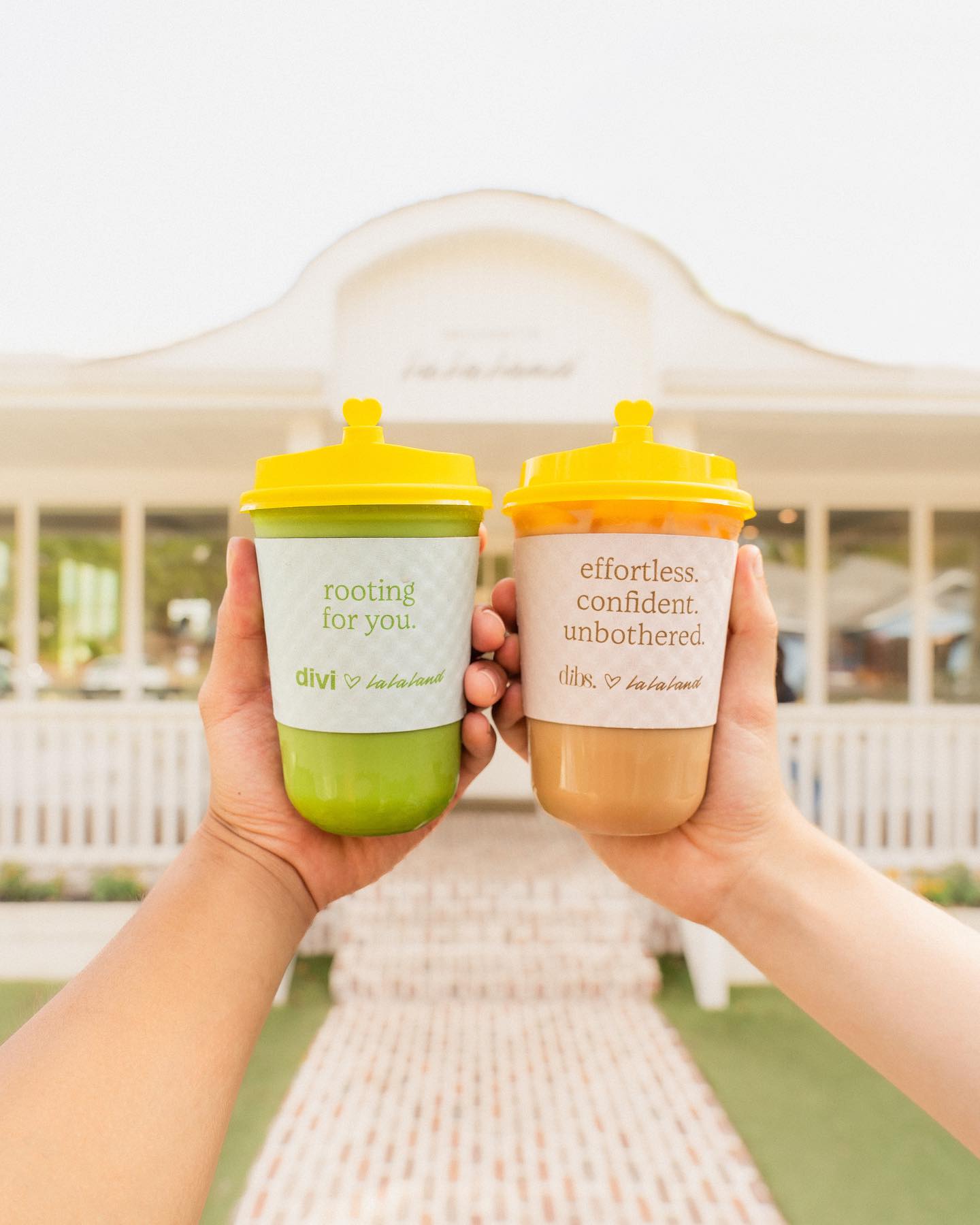

TikTok virality doesn’t translate to brand recall.
La La Land’s TikTok achieves massive reach, but most viewers could watch dozens of videos without ever learning the brand name. Even with the branded end card, the emotional takeaway rarely circles back to La La Land—largely because most viewers never watch to the end.
Incorporating light, unobtrusive visual cues earlier in the content—a quick branded intro card, a flash of their yellow cup, a shot of the beautifully decorated La La Land car (great idea, right?)—would anchor the emotion to the brand without compromising its authenticity or charm. Virality becomes valuable only when it builds recognition.
The brand’s kindness storyline has become its only content pillar.
The drive-by kindness format is popular, but it only reinforces the mission and not product, cafe experience, or brand breadth. Powerful marketing requires a constellation of purposeful content pillars to build memory structures, not a single storyline on repeat.
Right now, La La Land’s TikTok tells viewers that kindness lives here, but it doesn’t tell them that coffee does. They’ve pushed mission-driven storytelling so far that it often eclipses the thing they actually sell.
Introducing new content pillars that deepens product connection would be transformational. For example, introducing a recurring series like Coffee on Us—where baristas hand out coffee from a beautifully branded cart—keeps kindness at the center but now anchors its product, packaging, and flavor. It tells the same story of human interaction, but with a clearer tie to what the brand actually sells.

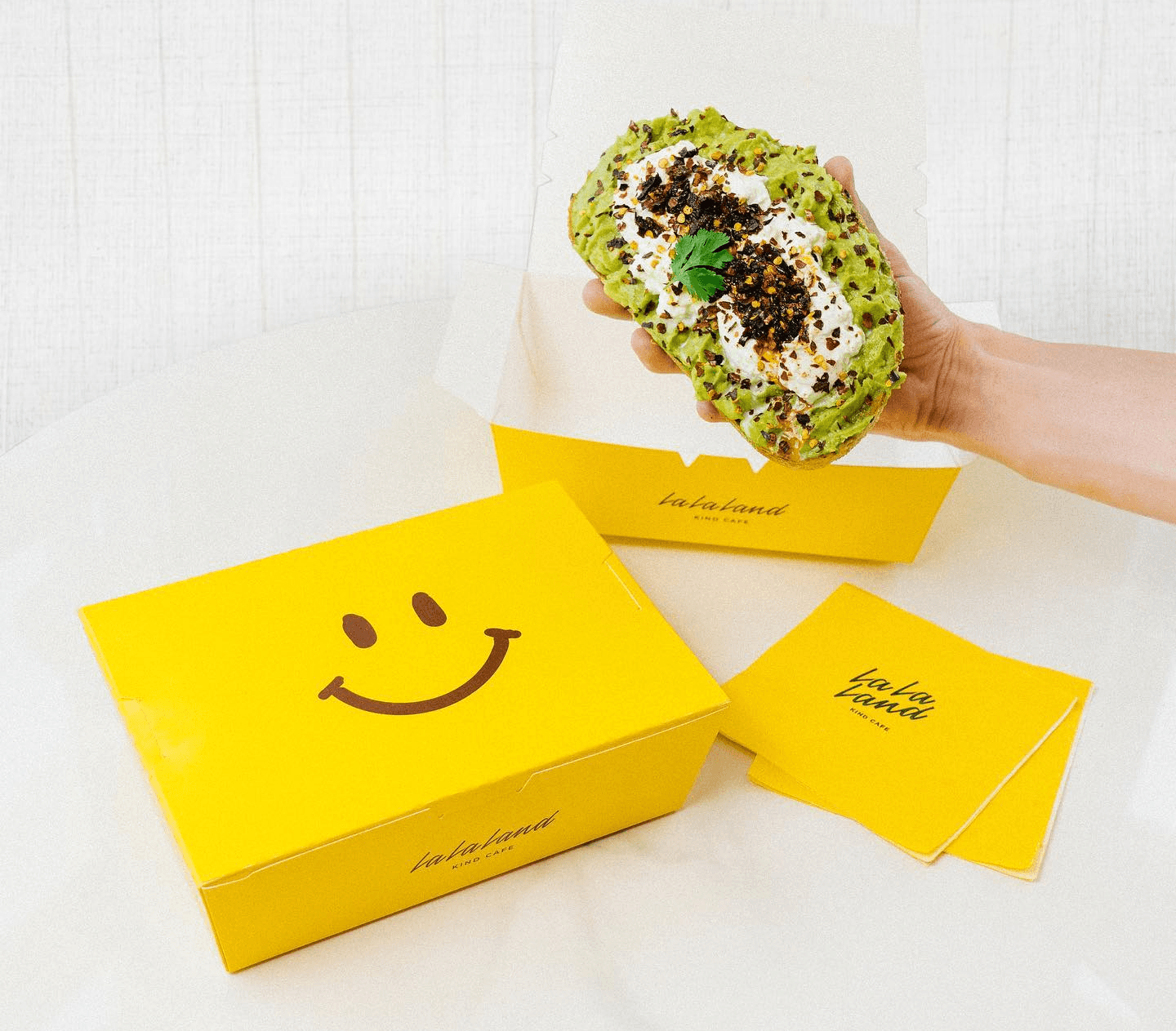
Their bright creative direction neglects the sensory storytelling that drives appetite.
La La Land’s TikTok achieves massive reach, but most viewers could watch dozens of videos without ever learning the brand name. Even with the branded end card, the emotional takeaway rarely circles back to La La Land—largely because most viewers never watch to the end.
Incorporating light, unobtrusive visual cues earlier in the content—a quick branded intro card, a flash of their yellow cup, a shot of the beautifully decorated La La Land car (great idea, right?)—would anchor the emotion to the brand without compromising its authenticity or charm. Virality becomes valuable only when it builds recognition.
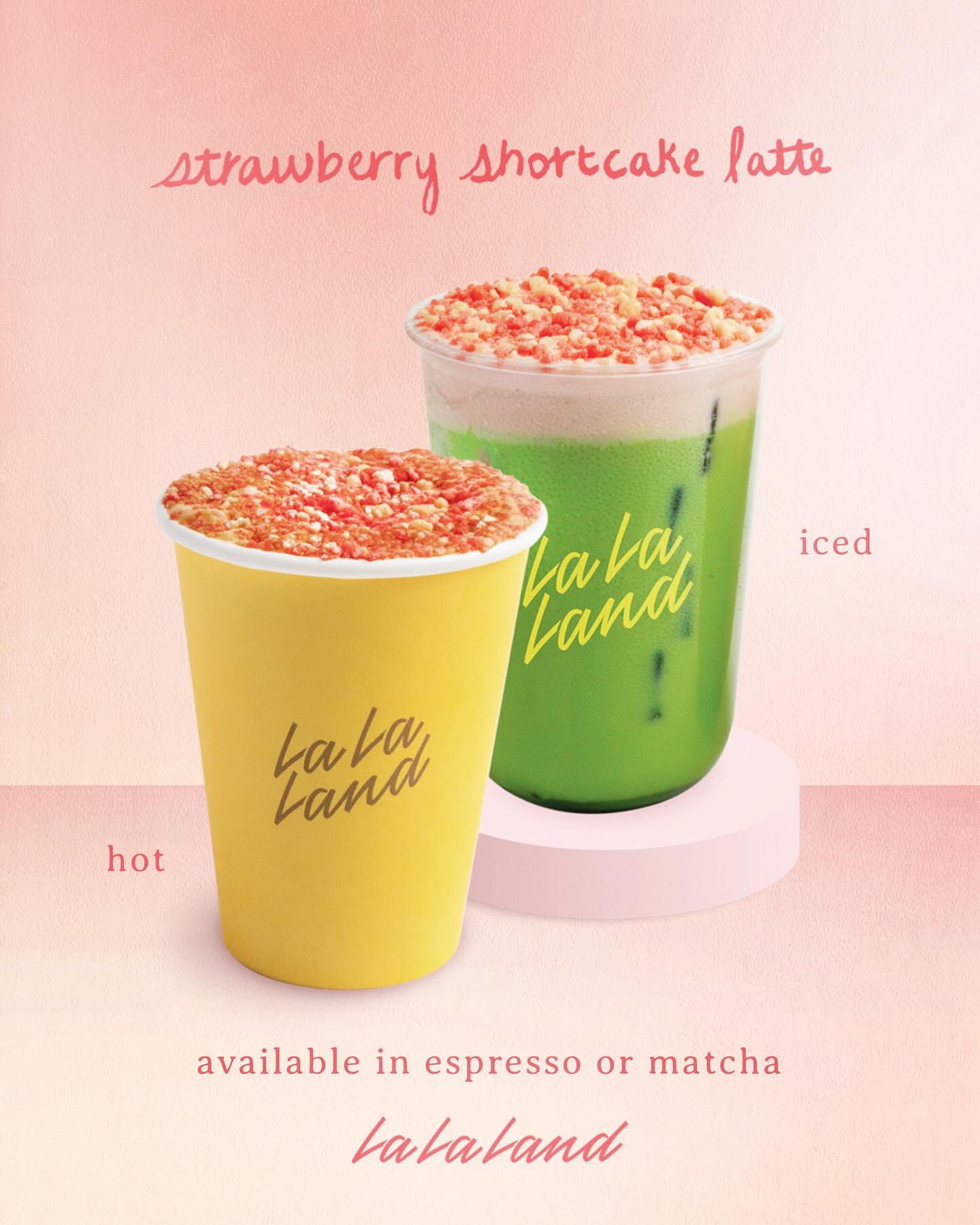
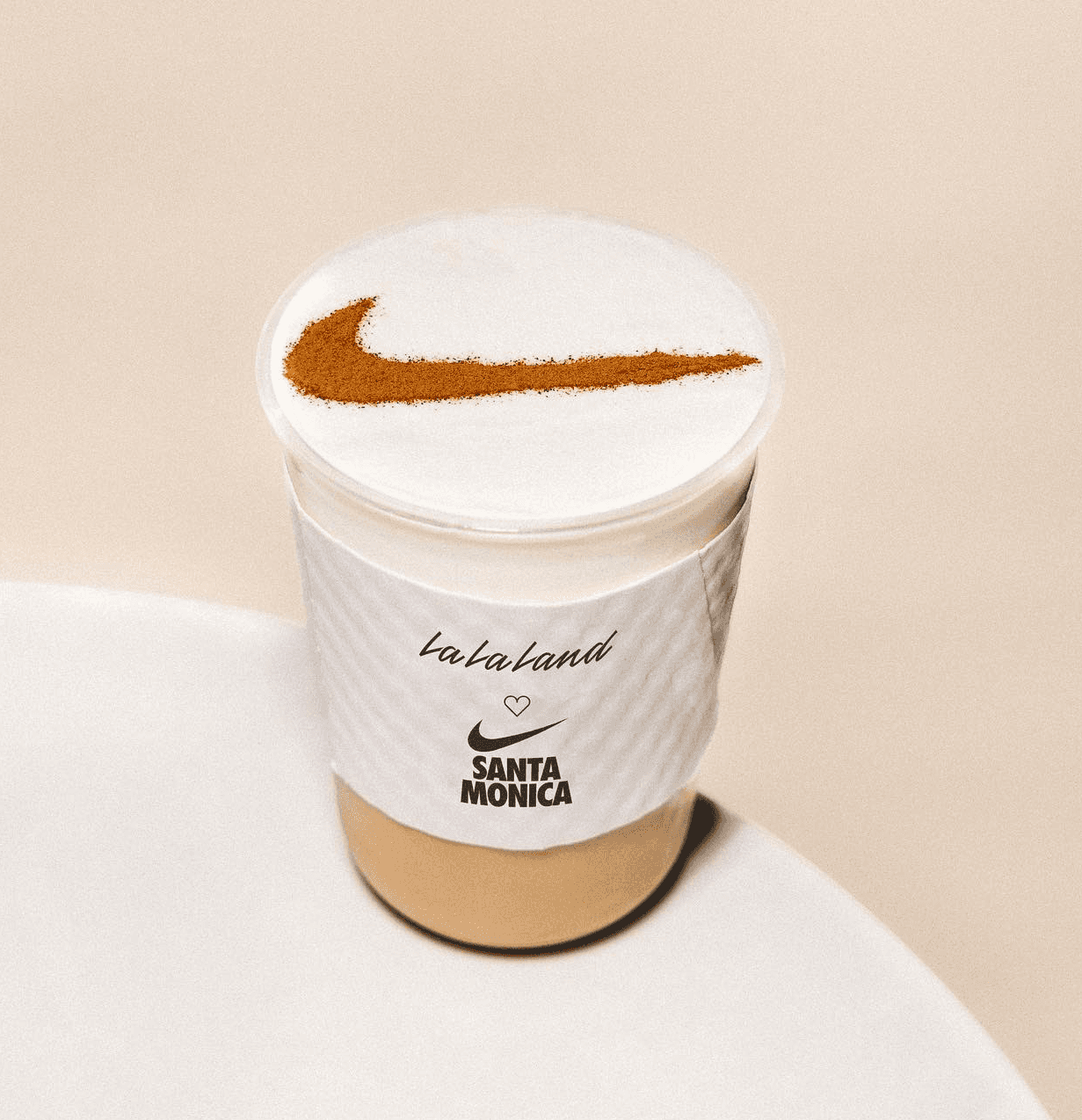
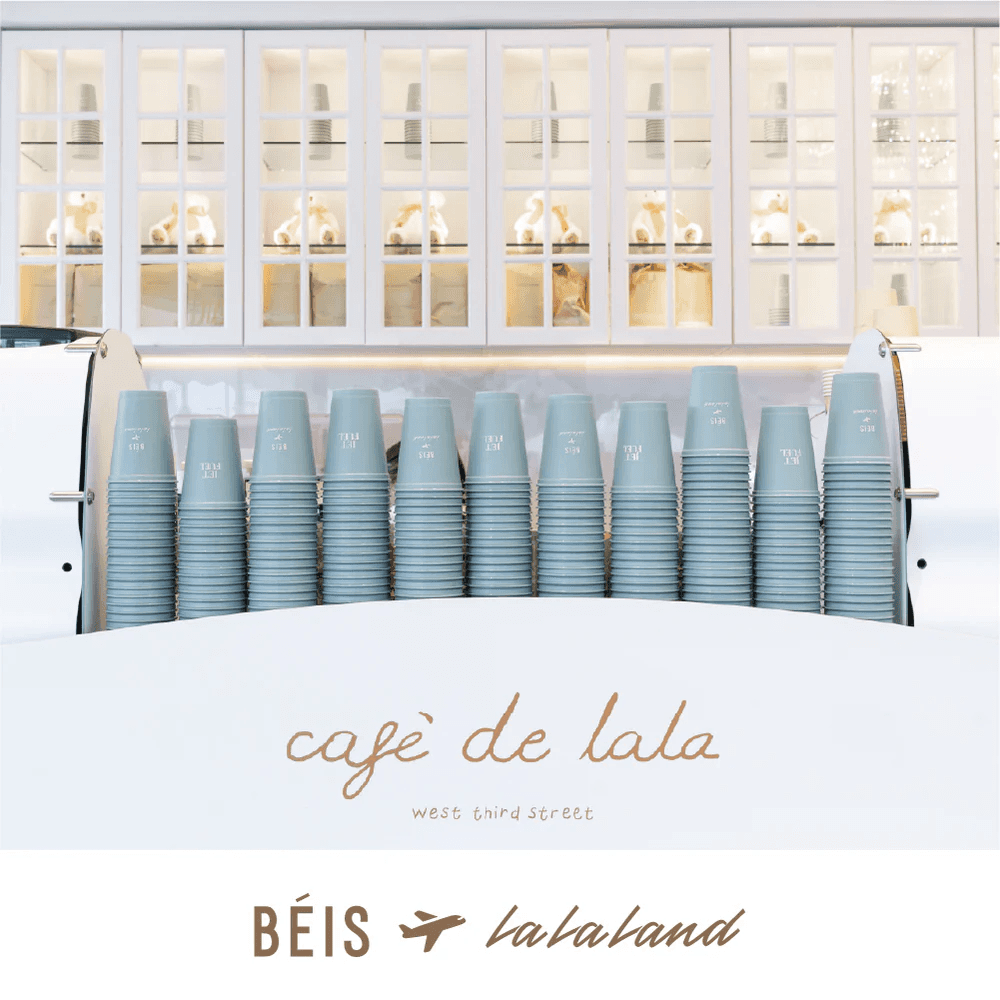
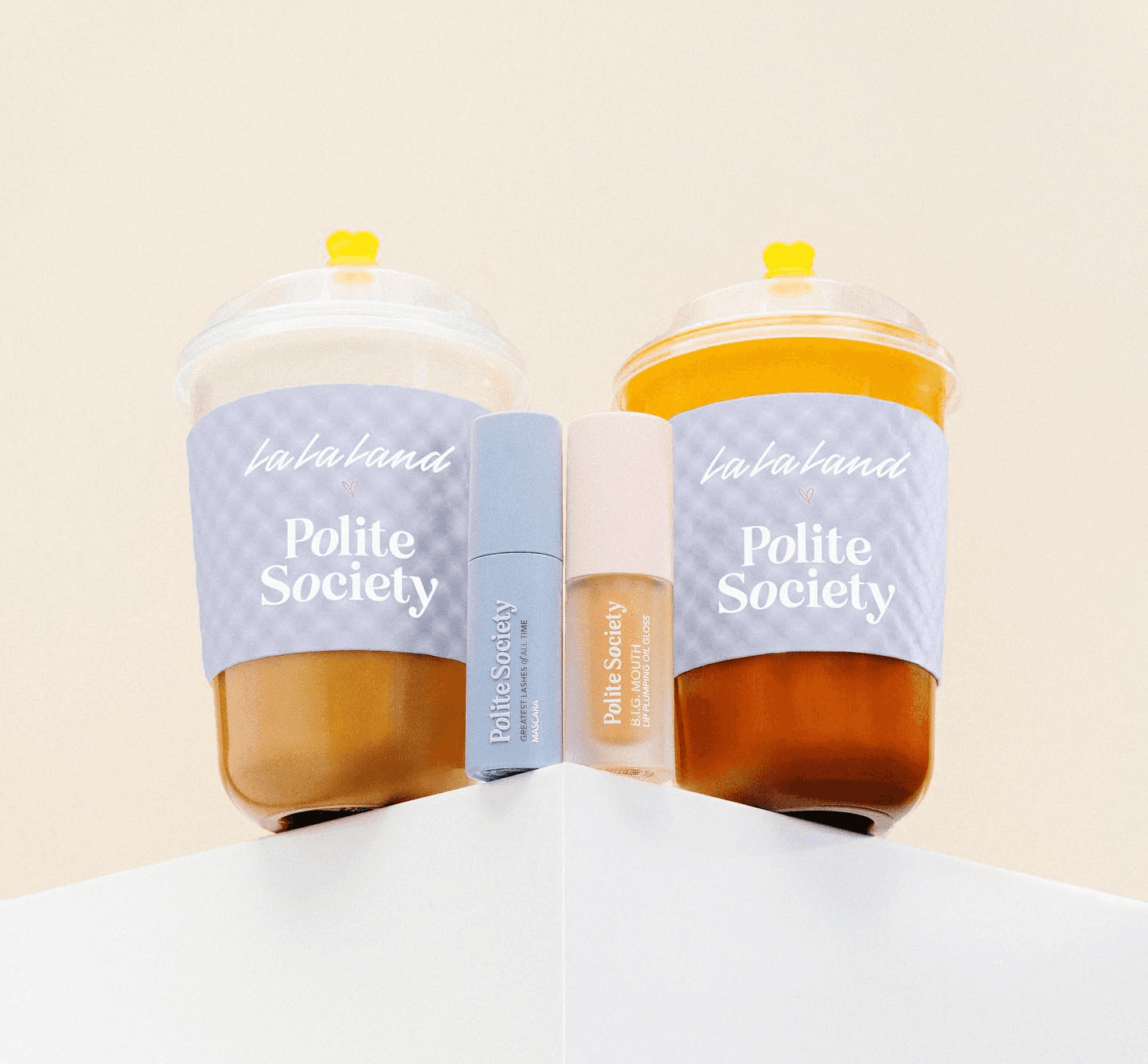
La La Land relies too heavily on celebrity partnerships & brand collabs instead of cultivating local community engagement.
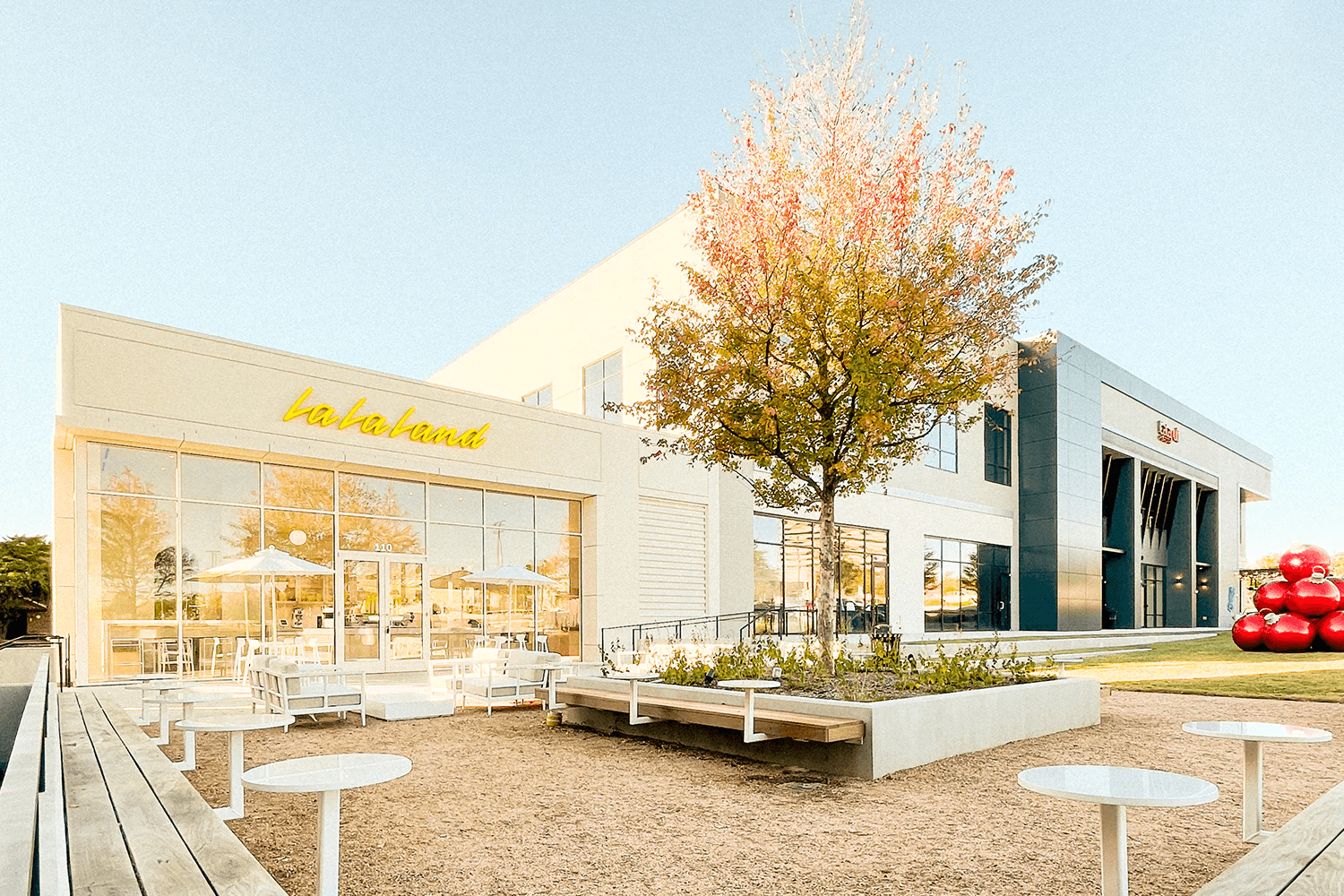
La La Land’s physical spaces are stunning: airy, bright, spacious, and distinctly branded. But on social media, they function more as backdrops than assets.
Select locations have the potential to operate as a cultural stage after hours: small workshops, artist collaborations, stationary pop-ups, matcha classes, listening parties, and more. These experiences generate multi-day content cycles, strengthen community ties, and naturally integrate product, people, and place. By activating the stores this way, La La Land also reduces dependence on celebrity collaborations and establishes itself as a local cultural hub rather than a brand defined by big-name collaborations.
Their mission is compelling, but mission alone doesn't convert. Marketing gives that mission direction.
Overall, La La Land tells a beautiful story, but it needs a stronger connective tissue between its emotional narrative, brand story and product to drive real business outcomes.
Through intentional branded moments, diversified content pillars, craveable visuals and creative use of their physical spaces, La La Land can transform virality into loyalty and emotional resonance into revenue.
For small businesses and emerging founders, the lesson is simple: your mission can win hearts, but your product must win decisions. The best marketing strategies (and the strongest brands) do both.